


All Products
-
Butt Weld Fittings
-
Stainless Steel Elbow
-
Stainless Steel Tee
-
Stainless Steel Reducer
-
Stainless Steel Pipe Cap
-
Duplex Stainless Steel Pipe
-
Stainless Steel Stub Ends
-
Forged Pipe Fittings
-
Forged Steel Flanges
-
API Carbon Steel Pipe
-
Stainless Steel Seamless Pipe
-
Stainless Steel Welded Pipe
-
Nickel Alloy Pipe
-
Hastelloy Pipe
-
Copper Nickel Tube
-
Stainless Steel Plate
-
Stainless Steel Bars
-
Spiral Wound Gasket
-
Cast Acrylic Sheet
-
 Brazil---AimeeIn the latest vendor rating, TOBO won the excellent rating, it is good, will continue to cooperate.
 -
Thailand ---Dave MulroyASTM A213 T9 Alloy steel pipe ,Stable quality , good price, excellent serive, TOBO GROUP is our trustworthy partner .
-
USA ---AlfaroASTM A182 F55 Super Duplex Flange ,Good quality , we like that ! And delivery time in time also ,very professional.
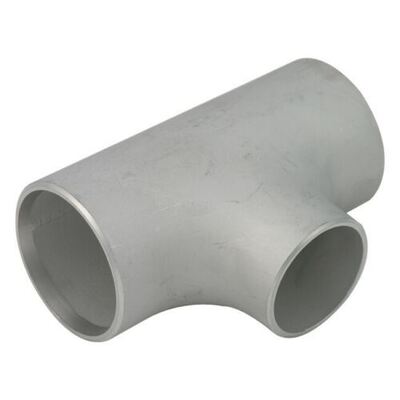
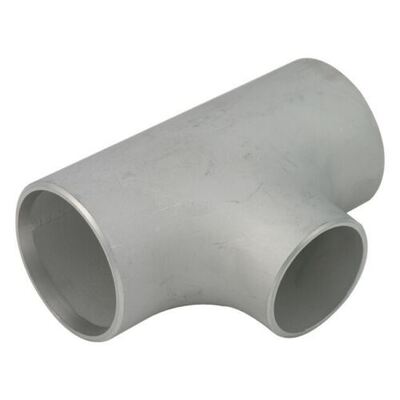
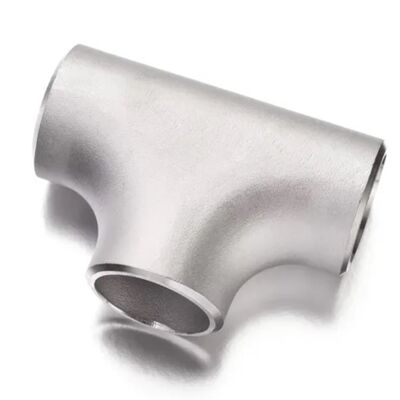
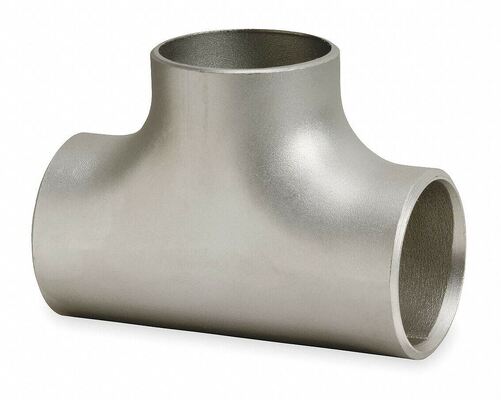
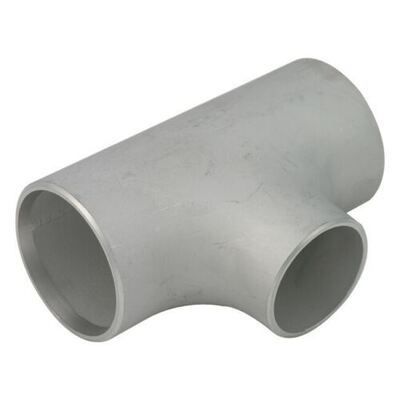
Corrosion Resistant Pickled ASTM A403 WP316L Stainless Steel Tee Pipe Fitting for Chemical Industry


| Place of Origin | Shanghai, China |
|---|---|
| Brand Name | WNRLN |
| Certification | ISO 9001:2015, PED 2014/68/EU, EN 10204 3.1 MTR |
| Model Number | CRP-TEE-316L |
| Minimum Order Quantity | 100 Pieces |
| Price | USD 15-180 / Piece |
| Packaging Details | Seaworthy wooden cases with VCI paper wrap for surface protection |
| Delivery Time | 5-7 working days for stock, 15-25 days for production |
| Payment Terms | T/T,L/C,Western Union |
| Supply Ability | 8000 Pieces per Month |
Product Details
| Product Name | Corrosion Resistant Pickled Stainless Steel Tee For Chemical Industry | Surface Treatment | Full Immersion Pickling (HNO3+HF), Passivated |
|---|---|---|---|
| Material Grade | ASTM A403 WP316L / 1.4404 | PREN (Pitting Resistance) | ≥24 |
| Corrosion Testing | ASTM A262 Practice E, ASTM G48 Method A | Application | Chemical Manufacturing, Pharmaceutical, Agrochemical, Industrial Wastewater |
| Highlight | Corrosion Resistant Chemical Tee,Pickled Stainless Steel Tee,WP316L Chemical Grade Tee |
||
Product Description
Corrosion Resistant Pickled Stainless Steel Tee for Chemical Industry ASTM A403 316L
Product Overview
The Corrosion Resistant Pickled Stainless Steel Tee for Chemical Industry is a specialized pipe fitting engineered to withstand aggressive chemical process environments. Manufactured from ASTM A403 WP316L austenitic stainless steel containing 2.0-3.0% molybdenum for enhanced resistance to reducing acids, pitting, and crevice corrosion, this chemical industry grade tee undergoes professional pickling treatment to remove weld scale, heat tint, and surface contaminants from manufacturing operations.
The pickling process using nitric-hydrofluoric acid solution restores the full corrosion resistance of the stainless steel surface by eliminating the chromium-depleted layer beneath heat-affected zones. This corrosion resistant pickled stainless steel tee is specifically designed for chemical processing plants handling organic acids, inorganic acids at controlled concentrations and temperatures, caustic solutions, and various process intermediates requiring reliable corrosion-resistant piping components.
Technical Specifications
| Parameter | Specification |
|---|---|
| Material Grade | ASTM A403 WP316L / UNS S31603 / 1.4404 |
| Chemical Resistance | Excellent resistance to organic acids, phosphoric acid, dilute sulfuric acid, caustic solutions |
| Surface Treatment | Full Immersion Pickling (HNO3+HF) to Remove Weld Scale and Heat Tint |
| Type | Equal Tee / Reducing Tee / Straight Tee |
| Size Range | 1/2" - 48" (DN15 - DN1200) |
| Wall Thickness | SCH5S, SCH10S, SCH40S, SCH80S, SCH160, STD, XS |
| Standard | ASME B16.9, ASTM A403, MSS SP-43, EN 10253 |
| Corrosion Testing | Intergranular Corrosion per ASTM A262 Practice E, Pitting per ASTM G48 Method A |
| Temperature Range | -196°C to +400°C (chemical service derating per specific media) |
| Surface Finish | Uniform Matte Silver-Gray After Pickling, Free of Scale and Discoloration |
Key Advantages & Application Fields
- Enhanced Chemical Corrosion Resistance: The corrosion resistant pickled stainless steel tee for chemical industry in WP316L grade with molybdenum addition provides PREN ≥24, ensuring reliable performance against pitting and crevice corrosion in chloride-containing chemical process streams.
- Fully Restored Passive Surface: Professional immersion pickling removes all manufacturing-related surface degradation including weld oxide scale, chromium-depleted zones, and embedded iron contamination, restoring the self-passivating chromium oxide protective layer for maximum chemical resistance.
- Chemical Manufacturing Plants: Suitable for piping systems handling acetic acid, phosphoric acid, nitric acid (controlled conditions), organic solvents, and various chemical intermediates in batch and continuous chemical production facilities.
- Fine Chemical & Pharmaceutical Production: Pickled surface finish meets cleanliness requirements for API (Active Pharmaceutical Ingredient) manufacturing, excipient production, and fine chemical synthesis processes requiring verified corrosion resistance.
- Agrochemical & Fertilizer Plants: Resistant to corrosive process fluids in pesticide formulation, herbicide production, and fertilizer chemical handling systems.
- Industrial Wastewater Treatment: Corrosion resistant construction suitable for chemical dosing, neutralization, and aggressive industrial effluent treatment piping networks.
Frequently Asked Questions
What chemicals can WP316L stainless steel tee fittings reliably handle?
Our corrosion resistant pickled stainless steel tee for chemical industry in ASTM A403 WP316L demonstrates proven corrosion resistance to a wide range of chemical media. Strong performance: organic acids (acetic, formic, citric, oxalic), phosphoric acid (all concentrations up to boiling), nitric acid (up to 65% at ambient, lower at elevated temperatures), caustic solutions (NaOH, KOH up to 50% at moderate temperatures), most organic solvents, and neutral chloride solutions at ambient temperature. Conditional use: dilute sulfuric acid (<10% at ambient), hydrochloric acid (only at very low concentrations and ambient temperature), and chlorinated solvents (avoid water contamination causing HCl formation). Not recommended: concentrated sulfuric acid, concentrated hydrochloric acid, hydrofluoric acid, and ferric chloride solutions. We recommend consultation with our technical team for specific chemical compatibility with your process conditions.
Why is pickling treatment important for chemical industry stainless steel tee fittings?
Pickling treatment of our corrosion resistant stainless steel tee for chemical industry is essential because manufacturing processes—particularly welding and hot forming—create surface conditions that severely compromise corrosion resistance if left untreated. Welding produces a thick oxide scale (heat tint) that is chromium-depleted compared to the base metal. Beneath this scale lies a chromium-depleted layer where chromium has migrated to form surface oxides during heating. This chromium-depleted zone has significantly lower corrosion resistance and will preferentially corrode when exposed to chemical process fluids. Pickling with nitric-hydrofluoric acid dissolves both the heat tint scale and the underlying chromium-depleted layer, exposing the fully alloyed base metal beneath. This ensures the chemical industry tee fitting has uniform corrosion resistance across all surfaces, including weld heat-affected zones, providing reliable long-term performance in aggressive chemical service.
How do I specify the correct wall thickness for chemical service corrosion allowance?
For our corrosion resistant pickled stainless steel tee for chemical industry, wall thickness selection should include a corrosion allowance beyond the minimum pressure design thickness. While WP316L has excellent general corrosion resistance, chemical processes may involve trace contaminants, upset conditions, or localized attack mechanisms that warrant additional wall thickness for safety margin. Standard practice per ASME B31.3 for chemical plant piping includes a corrosion allowance of 1.5-3.0mm (1/16"-1/8") for stainless steel in most chemical services, with higher allowances for more aggressive environments. The specified wall thickness is then: t_ordered = t_pressure + t_corrosion + t_mechanical + t_manufacturing tolerance. Our technical team can assist with corrosion allowance recommendations based on your specific chemical process conditions, operating temperature, and expected service life, helping you specify the optimal wall thickness for cost-effective long-term reliability.
Recommended Products
-
VIDEO
