


All Products
-
Butt Weld Fittings
-
Stainless Steel Elbow
-
Stainless Steel Tee
-
Stainless Steel Reducer
-
Stainless Steel Pipe Cap
-
Duplex Stainless Steel Pipe
-
Stainless Steel Stub Ends
-
Forged Pipe Fittings
-
Forged Steel Flanges
-
API Carbon Steel Pipe
-
Stainless Steel Seamless Pipe
-
Stainless Steel Welded Pipe
-
Nickel Alloy Pipe
-
Hastelloy Pipe
-
Copper Nickel Tube
-
Stainless Steel Plate
-
Stainless Steel Bars
-
Spiral Wound Gasket
-
Cast Acrylic Sheet
-
 Brazil---AimeeIn the latest vendor rating, TOBO won the excellent rating, it is good, will continue to cooperate.
 -
Thailand ---Dave MulroyASTM A213 T9 Alloy steel pipe ,Stable quality , good price, excellent serive, TOBO GROUP is our trustworthy partner .
-
USA ---AlfaroASTM A182 F55 Super Duplex Flange ,Good quality , we like that ! And delivery time in time also ,very professional.
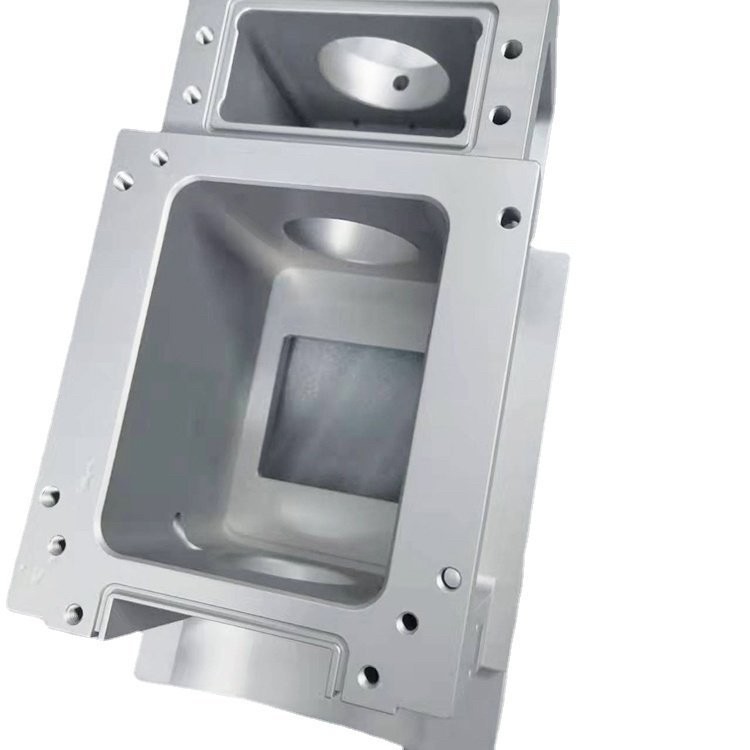
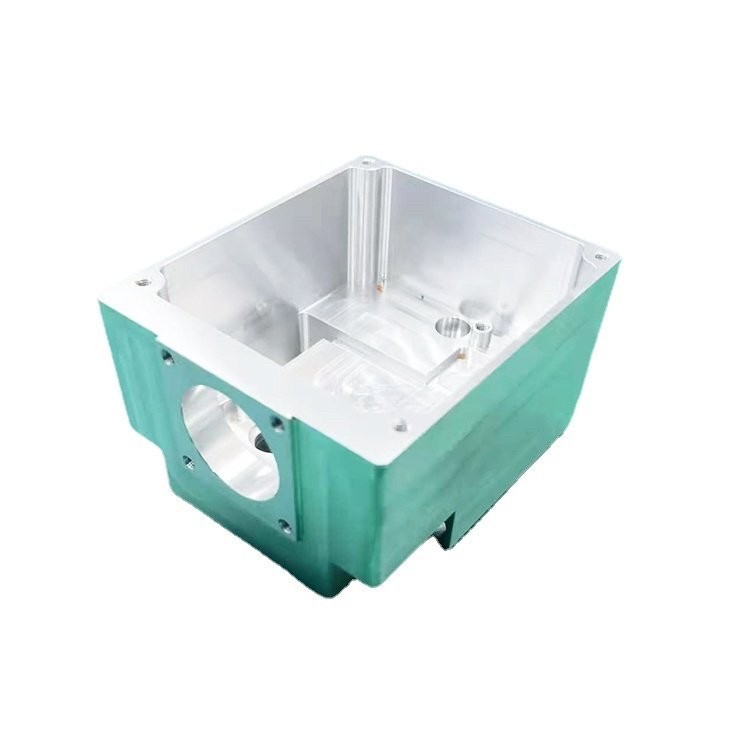
Non-Standard Stainless Steel CNC Machining Parts Customization For New Energy Industry
| Place of Origin | China |
|---|---|
| Brand Name | TOBO |
| Certification | TUV |
| Model Number | CNC Machining Parts |
| Minimum Order Quantity | 100PCS |
| Price | Negotiation |
| Packaging Details | In wooden case, pallets or as per customers' requirement |
| Delivery Time | 15 Workdays |
| Payment Terms | T/T, Western Union |
| Supply Ability | 10000 pcs per Month |
Product Details
| Name | CNC Machining Parts | Material | Stainless Steel |
|---|---|---|---|
| Standard | Non-Standard | Type | Customization |
| Usage | New Energy Industry | Package | Plywood Case |
| Highlight | custom stainless steel CNC parts,CNC machining for new energy,stainless steel butt weld fittings |
||
Product Description
Aluminum Alloy New Energy Industry CNC Machining Parts Non-Standard Customization
What are precision machined parts?
Precision machined parts often require intricate features and require precise specifications.
These parts may include threads, holes, grooves, or tapers that must provide an exact fit with other components.
| Name | Precision CNC machining parts |
| Processing | CNC turning, CNC milling, CNC machining, Laser cutting, Grinding, EDM wire cutting,3D printing |
| Materials | Aluminum: 2000 series, 6000 series, 7075, 5052, etc. |
| Stainless steel: SUS303, SUS304, SS316, SS316L, 17-4PH, etc. | |
| Steel: 1214L/1215/1045/4140/SCM440/40CrMo, etc. | |
| Brass: 260, C360, H59, H60, H62, H63, H65, H68, H70, Bronze, Copper | |
| Titanium: GradeF1-F5 | |
| Plastic: Acetal/POM/PA/Nylon/PC/PMMA/PVC/PU/Acrylic/ABS/PTFE/PEEK etc. | |
| Surface Treatment | Anodizing,Brushing,Galvanized,laser engraving, Silk printing,polishing,Powder coating,etc |
| Tolerance | 0.001~0.01mm 100% QC quality inspection before delivery, can provide quality inspection form |
| Drawing Accepted | Stp, Step, Igs, Xt, AutoCAD(DXF, DWG), PDF, or Samples |
| Lead Time | 1-2 weeks for samples, 3-4 weeks for mass production |
| Quality Assurance | ISO9001/14000:2015 Certified.SGS |
| Payment Terms | Trade Assurance, TT/ PayPal/ WestUnion |
What Are Precision Machined Metal Parts?
Precision machined parts often require intricate features and require precise specifications.
These parts may include threads, holes, grooves, or tapers that must provide an exact fit with other components.
Precision machining is typically used to produce metal parts that require precision for the product to function properly.
For example, the components that make up an automobile engine require precise specifications for optimal performance.
There is less room for error, requiring machinists to use specialized equipment for a closer tolerance. By using computer
numerically controlled machines (CNC machines), lathes, and presses, our team manufactures a wide range of intricate
metal parts that require keen attention to detail.
The Precision Machining Process
The precision machining process often starts with an initial sketch, which is rendered using computer-aided design
(CAD) software. Engineers use CAD software such as AutoCAD to create a 3D diagram of a hand-drawn sketch.
Machinists may then enter the design into computer-aided manufacturing (CAM) programs or CNC machines. Computers
automate the removal of material to produce precise parts.
Precision machining processes allow for greater accuracy. Each cut is completed by a machine that receives instructions from
the computer software.
The machines can carry out precise cuts with limited margins of error. This results in increased repeatability. You can continue
to produce thousands of the same parts with identical specifications and tolerances down to 0.01-0.05mm.

Recommended Products